
.png)
The Mother of Neuroblastoma – Dr Audrey Evans
- SueB

- Mar 25
- 5 min read
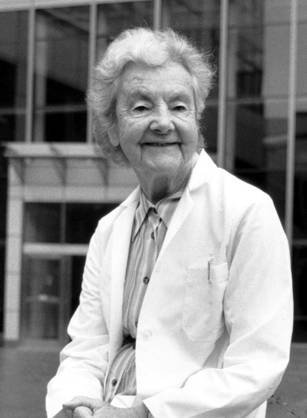
Formerly ‘Too Much’ — Today We Call Them Leaders or Pioneers
Throughout history, progress has been shaped by many hands, yet too often, the contributions of women have been overlooked, minimised, or written out entirely. Women have worked alongside men to advance science, transform healthcare, challenge injustice, and build the foundations of the world we know today. Women’s History Month gives us the chance to bring those stories forward, to honour the women whose courage and persistence changed lives even when the world wasn’t ready to recognise them.
Among these extraordinary women was Dr Audrey Evans. She was a force of nature whose determination, compassion, and refusal to accept “no” altered the landscape of childhood cancer forever. Before paediatric oncology was recognised as a field, she was building it. Before holistic care was considered essential, she was practising it. And before families had support systems to stay close to their sick children, she imagined and created the model that would become the Ronald McDonald House Charities.
Without her vision, her stubbornness, and her belief that children deserved better, countless young lives might not have been treated as early, as effectively, or as humanely as they are today. Dr Audrey Evans is not just part of women’s history, she is part of the world’s medical history.
A Chance Encounter with a Remarkable Woman
My introduction to Audrey Evans was unplanned. Pure chance on a long haul flight led to me watching a film titled Audrey’s Children. It wasn’t my usual ‘go to’ but I was captivated by her story from the off. This was a woman living in a man’s world and who didn’t give a hoot what others thought of her.
Her attitude to getting things done when she was told no was to go ahead and do it anyway. She was a pioneer in childhood oncology and saw the children and their families as her priority. She was a woman who was never going to be stifled.
A Childhood Marked by Illness and Resilience
Audrey was born in York, United Kingdom on 6th March 1925, to middle‑class parents. She was the youngest of three children. Her father was a paper manufacturer and her mother a homemaker. They brought their children up in the belief that boys and girls were equal and should receive the same opportunities in life.

Audrey’s school life began when she was sent to a Quaker school in Bristol. She continued her secondary education at The Mount School in York.
This was not without issues however, as she contracted tuberculosis at the age of twelve years and was in hospital for six months. A bigger impact occurred between 1942 and 1943 when she was hospitalized for a year and lost valuable learning. Despite this she was enrolled into the Royal College of Surgeons of Edinburgh in 1944 where she was the only female in her cohort.
The Only Woman in the Room
There were struggles throughout her time at the Royal College. Her first year was studying anatomy and she failed. She attributes this to her learning style. She had difficulty reading and absorbing information. Her preference was listening.
Help came from a friend who sat with her, showed her pictures and described what she was looking at. She says she ‘scrambled’ her way through the rest of her studies until she started the clinical part of her training.
During this period of her studies she found it easy to talk to the medical practitioners and families alike. She also spent a lot of time talking to the children on the ward. She discovered that talking honestly to the children, especially about the ideas of what heaven was like, meant that the children responded with some relief and diminished fear.
Building a Field That Didn’t Yet Exist
Audrey qualified in 1953 and obtained a position in the Children’s Hospital, Boston, USA where she completed a two‑year residency. She trained under Dr Sidney Farber who was a pathologist and leukemia pioneer. In his own right he is known as the Father of Modern Chemotherapy.
In 1955 Audrey returned to England to take up a residency position at The Royal Infirmary Teaching Hospital where she was for a time the only female resident. It was becoming the norm for her to be the only female in each department she worked in.
After a year, she left the UK again and returned to the children’s hospital in Boston. Here, she found an area where she was comfortable and knew this was what she was going to devote her life to. This was children’s oncology.
Caring for the Whole Child
She moved to Chicago in 1964 and began working at the University of Chicago in the hematology and oncology unit where she stayed for five years.
She then left to take up a position at the Children’s Hospital of Oncology in Philadelphia as the first chief of Pediatric Oncology. She remained here until her retirement in March 2009, at the age of eighty‑four years.
She founded the Children’s Cancer Centre where she devoted her life to caring for not only their medical needs but their emotional, social and spiritual care, too. Audrey didn’t stop there, though. She also recognised that families needed support.
When Families Needed More Than Medicine
In 1971 Audrey Evans developed the Evans Staging System. This analysed the progression of cancer and assisted with determining the best treatment for children with neuroblastoma, which is one of the most common cancers children are diagnosed with. Her dedication to this field has seen the mortality rate halve.
Another area where she was a pioneer was recognising that families were often separated from their children by distance, cost and other family responsibilities and expenses. And along with the prohibitive cost of medical care families often had no money left to pay for hotels.
Audrey began fundraising with the express purpose of finding a house to purchase that would be large enough to house several families, provide food and some comfort free of charge.
The House That Hope Built
In 1972 Jimmy Murray, who was the General Manager of the Philadelphia Eagles, and Fred Hill, a player in the team whose daughter had been diagnosed with acute lymphatic leukemia in 1969 at the age of three years, raised over $10,000 by holding charity events. The owner of the Eagles, Leonard Tose, wanted them to raise more.
Murray and Hill were introduced to Dr Evans as a person who had great need of the money. She knew exactly how she would use the money.
Jimmy Murray contacted McDonald’s with the idea of them donating 25 cents from each Shamrock Shake McDonald’s sold during their St Patrick’s promotion. McDonalds said they would donate the total of all drinks sold during this period if the house could be named after them.
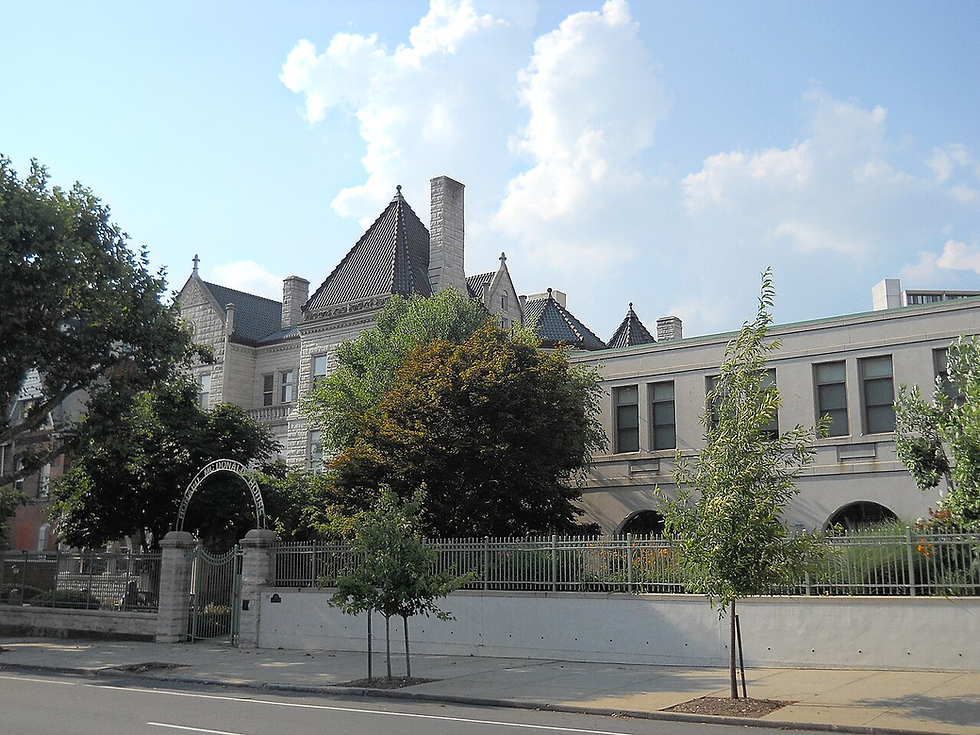
This was the beginning of the Ronald McDonald House Charities. The RMHC now has in excess of 375 houses around the world. The 50th Anniversary of this relationship was celebrated in 2024.
A Woman Who Refused to Be “Too Much”
We have some amazing women to celebrate throughout history and this lady is one of them. She might possibly have been considered as:
Too much
Too loud
Too emotional
Too ambitious
Dr Audrey Evans showed the world what happens when a woman refuses to shrink, refuses to wait for permission, and refuses to accept that “good enough” is ever enough for a child fighting for their life. Her legacy is not only in the treatments she helped pioneer or the systems she built, but in the generations of families who found hope, comfort and dignity because she dared to imagine something better. As we celebrate Women’s History Month, we honour her — and all the women who changed the world simply by refusing to stop trying.


Comments